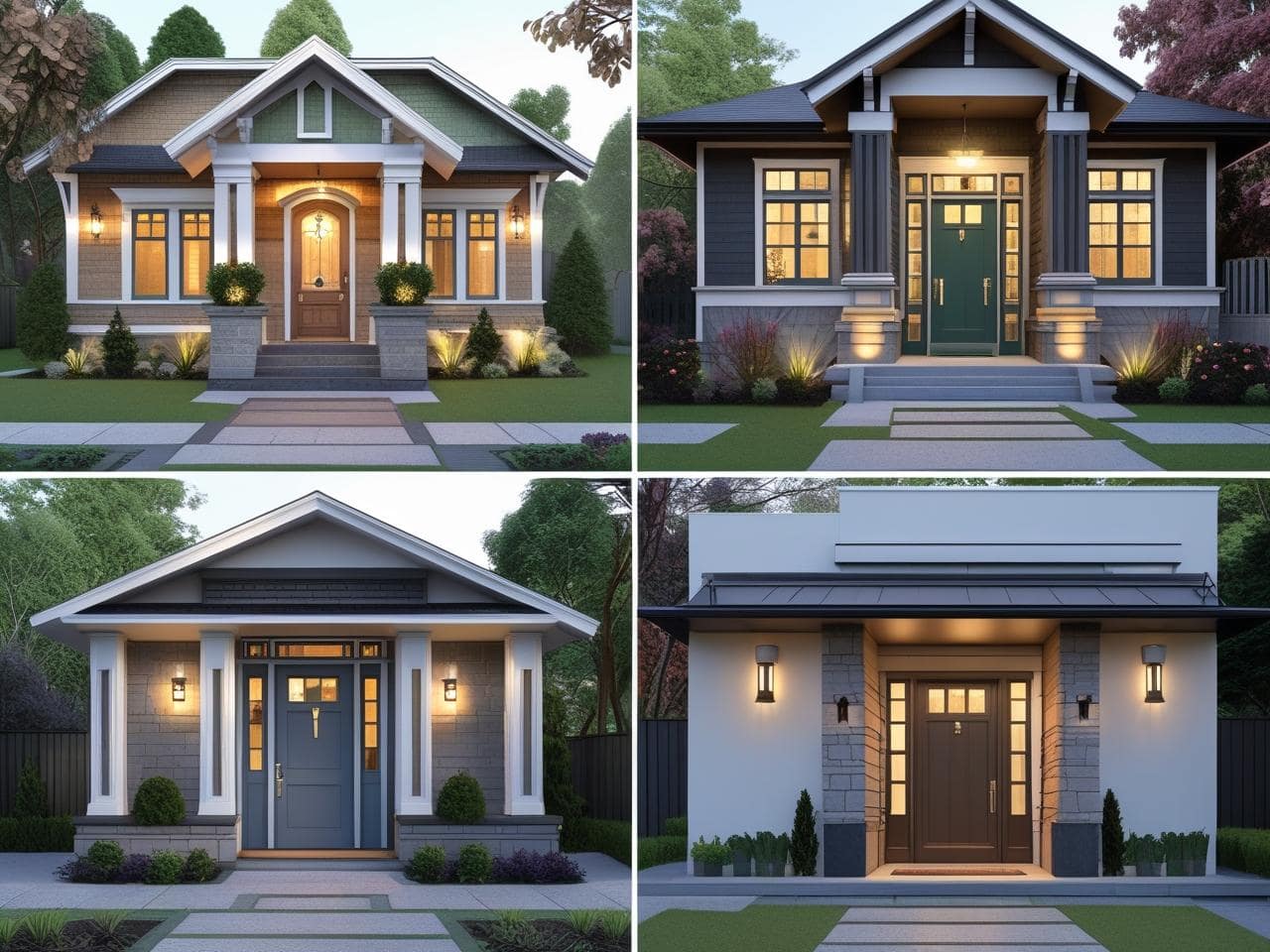
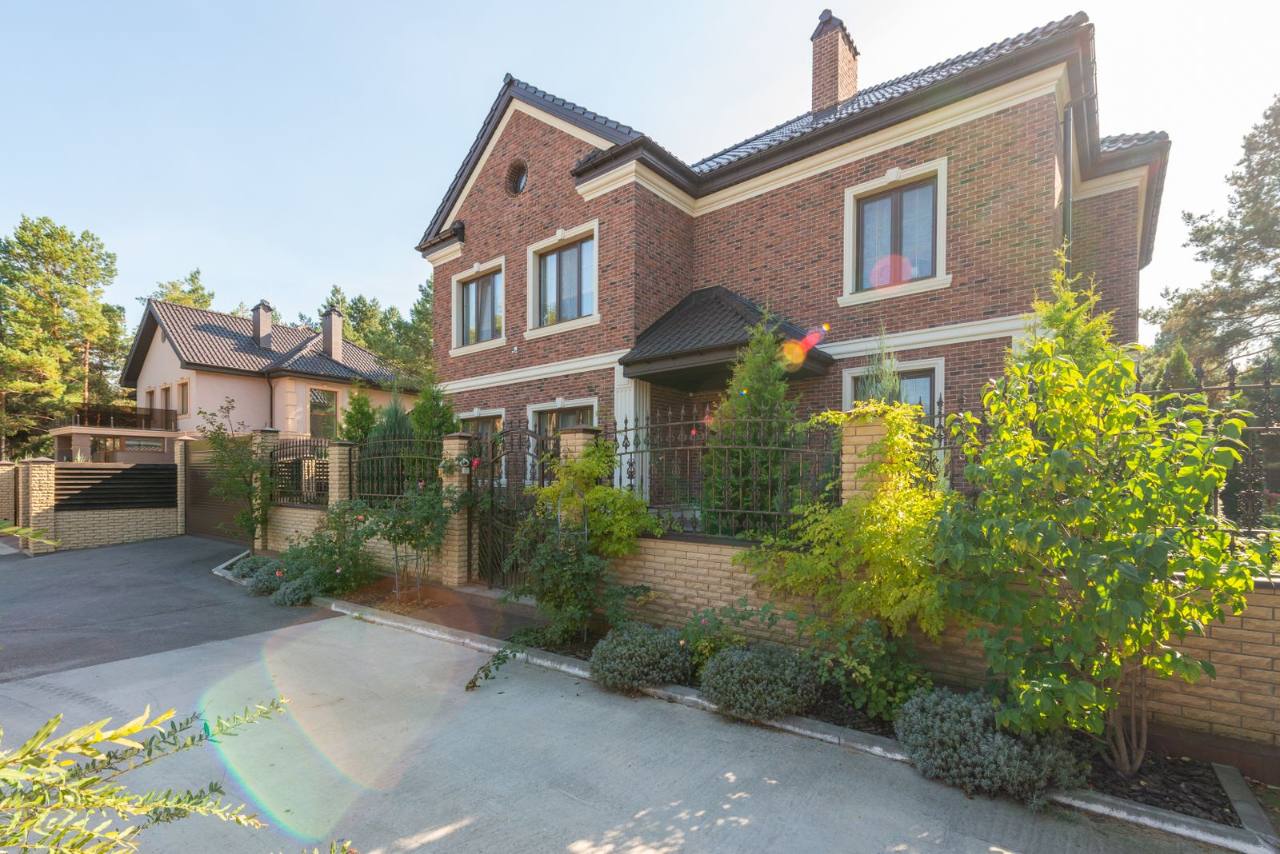
Brick vs siding comes down to one trade-off: brick costs roughly two to three times more than vinyl to install (and noticeably more than fiber cement), but it can last a century or more with very little upkeep. Siding (vinyl, fiber cement or engineered wood) is cheaper, faster to install and easier to change later, but it will need replacing sooner. The right pick depends on your budget, your climate and how long you plan to stay.
Below I break down the real costs, lifespan, maintenance, energy performance and curb appeal of each, with budget and premium options so you can get a high-end look without overspending.
Key takeaways
- Brick typically costs about $8–$18 per sq ft installed; vinyl siding about $3–$7 and fiber cement about $6–$13 (national ranges, they vary a lot by region).
- Brick can last 50–100+ years; vinyl usually lasts 20–40 years and fiber cement 30–50 years.
- Brick needs repointing every few decades; vinyl needs washing; fiber cement and wood need repainting.
- Siding replacement recoups a strong share of its cost at resale, and fiber cement has recently out-performed vinyl.
- A mix of brick on the front and siding elsewhere is the classic way to get a premium look on a mid-range budget.
Brick vs Siding at a Glance
| Factor | Brick (veneer) | Vinyl siding | Fiber cement siding |
|---|---|---|---|
| Installed cost per sq ft | $8–$18 | $3–$7 | $6–$13 |
| Typical lifespan | 40–100 years | 20–40 years | 30–50 years |
| Main upkeep | Repoint mortar every 20–30 years | Wash yearly; replace damaged panels | Periodic repainting |
| Fire resistance | Non-combustible | Can melt or burn | Non-combustible |
| Easy to change the color? | Only by painting or limewashing | Not easily (color is baked in; needs vinyl-safe paint) | Yes, repaint |
| Best for | Forever homes, storm-prone or hot climates | Tight budgets, quick refreshes | A brick-like lifespan on a siding budget |
How Much Does Brick Cost Compared to Siding?
According to HomeGuide, brick veneer runs about $8–$18 per square foot installed (thin brick at the low end, full face brick about $12–$18), while vinyl siding costs about $3–$7 and fiber cement about $6–$13. Other cost guides land in a similar place, so it’s fair to say brick usually costs two to three times as much as vinyl.
For a full exterior of 1,000–1,500 sq ft, HomeGuide puts bricking a house at roughly $8,000–$27,000, and removing old siding first can add $1,000–$9,000. Labor rates, brick type and how many corners, windows and gables your house has will move those numbers a lot, so treat them as a starting point, not a quote.
What drives the price of brick
- Full brick vs thin brick: full-size brick veneer needs a ledge or footing to sit on; thin brick is glued or clipped to the wall and costs less to install.
- Foundation work: if the house was not built for brick, a new footing can add a significant amount.
- Brick style: handmade, tumbled or reclaimed brick costs more than standard modular brick.
- Mortar color and joint style: small details, but they change the final look more than most people expect.
What drives the price of siding
- Material: standard vinyl is the cheapest; insulated vinyl, fiber cement and real wood climb from there.
- Profile: board and batten, shakes and wide lap boards cost more than standard lap siding.
- Trim and wraps: corner boards, window trim and soffits add up quickly.
Durability and Lifespan
This is where brick wins clearly. Angi lists brick at 50–100+ years and brick veneer at 40–100 years, compared with 20–40 years for vinyl and 30–50 years for fiber cement. Brick does not rot, dent or get eaten by insects, and clay brick will not burn.
Vinyl is tougher than its reputation, but it can crack from a hard hit in cold weather, fade on sunny walls and warp if it gets too hot (for example, from a grill pushed too close). The upside: a damaged panel is usually quick and cheap to swap out. A cracked brick or failing mortar joint needs a mason.
Which holds up better in your climate?
- Hot, sunny climates: brick and fiber cement keep their color; vinyl can fade, especially darker shades.
- Wet climates: brick absorbs water, so it relies on a drainage gap and weather barrier behind it. Proper installation matters more than the material.
- Freeze-thaw climates: choose brick rated for severe weathering and keep gutters working so walls don’t stay soaked.
- Hail and storms: brick resists hail damage; vinyl can crack or puncture.
Maintenance: What Each Option Really Asks of You
Brick is the closest thing to “set and forget”, but it is not zero-maintenance. Mortar wears faster than brick, and HomeAdvisor notes that brick walls typically need repointing every 20 to 30 years, at roughly $3–$15 per sq ft depending on the job.
Vinyl only needs a gentle wash (a soft brush and mild soap, or a garden hose) once a year or so. Fiber cement and wood look the most “custom”, but they need repainting over time. Factory-finished fiber cement stretches that interval out.
If you’re planning colors for siding, my guide to trim paint color ideas shows how to pair siding, trim and roof so the house looks deliberate rather than patched together.
Energy Efficiency: Is Brick Warmer Than Siding?
Not by itself. Brick has low insulating value (R-value), but it has high thermal mass, which means it soaks up heat during the day and releases it slowly. That can smooth out temperature swings in climates with hot days and cool nights.
Standard vinyl adds almost no insulation either. Insulated vinyl (with a foam backer) helps a little. In both cases, the insulation inside the wall and how well the house is air-sealed matter far more than the cladding. If energy savings are your main goal, put money into insulation and windows first.
Curb Appeal and Resale Value
Brick reads as solid, traditional and expensive, which is a big part of its appeal. Buyers in many areas associate full brick with quality, and that perception can help a listing stand out.
Siding has the stronger resale data, though. In the 2025 edition of the Cost vs. Value report, fiber cement siding replacement recouped about 114% of its cost at resale nationally, and vinyl siding replacement about 97%. Results vary by region and market, but either way, fresh siding is one of the safer exterior projects if you plan to sell.
For more on what makes a brick facade look current rather than dated, see these brick house exterior renovation ideas.
Brick vs Siding: Pros and Cons
Brick
- Pros: very long lifespan, low maintenance, non-combustible, resists pests and storms, classic high-end look.
- Cons: highest upfront cost, hard to change color or style later, repairs need a mason, not every foundation can carry it.
Vinyl siding
- Pros: lowest cost, fast install, huge range of colors and profiles, easy panel repairs, no painting.
- Cons: shorter lifespan, can fade, crack or warp, can look less premium up close.
Fiber cement siding
- Pros: convincing wood-like look, fire-resistant, long-lasting, can be repainted any color.
- Cons: heavier and pricier to install than vinyl, needs repainting over the years.
Budget vs Premium: How to Get a Luxury Look
Budget options
- Mix materials: put brick (or thin brick) only on the front facade or as a wainscot band, and use siding on the sides and back. You get the curb appeal where people actually look.
- Upgrade the vinyl profile: wider boards, board and batten, or a shake accent in the gables look far more custom than standard narrow lap.
- Limewash existing brick: a soft, European look for little money that lets the brick breathe and wears gracefully.
- Refresh existing brick: a cleaning, new shutters, modern lighting and a painted front door can make a dated brick house look updated for a fraction of the cost of new cladding.
Premium options
- Full brick veneer with a refined mortar: a slightly tinted mortar and a crisp joint make even simple brick look custom.
- Factory-finished fiber cement: a crisp modern farmhouse or coastal look with a longer paint life.
Whichever direction you go, avoid the classic exterior errors I cover in 5 common mistakes homeowners make when updating their exterior, like choosing materials one at a time without looking at the whole house.
Which Should You Choose?
- Choose brick if this is your long-term home, you live where storms, hail or wildfire are a concern, and you want minimal maintenance.
- Choose vinyl siding if your budget is tight, you want a quick refresh, or you might want a different color in 15 years.
- Choose fiber cement if you want a long lifespan and strong resale value but brick is out of budget or the foundation can’t support it.
- Choose a mix if you want brick character at the street with siding pricing everywhere else.
Still deciding between masonry finishes? My stucco vs brick guide compares those two side by side, and this roundup of eco-friendly exterior materials covers greener options.
FAQ
Is brick or siding cheaper?
Siding is cheaper upfront. National cost guides put vinyl at about $3–$7 per sq ft installed versus about $8–$18 for brick, though local labor rates can shift both.
Does brick increase home value more than siding?
Brick has strong buyer appeal in many markets, but new siding has a well-documented return: the 2025 Cost vs. Value report showed fiber cement siding recouping about 114% and vinyl about 97% nationally. A local real estate agent can tell you what buyers prefer in your area.
Can you put brick over vinyl siding?
Not directly. The vinyl has to come off first, then a contractor installs thin brick or builds a brick veneer wall, which may need extra foundation support.
Can you put siding over brick?
Yes. Installers usually attach furring strips to the brick and fasten siding to those. It’s a way to change the look of a dated brick house without tearing anything down.
Is a brick house better in a storm?
Brick resists wind-blown debris, hail and fire better than vinyl. That said, the roof, windows and how well the wall is built matter just as much in a severe storm.
The Bottom Line
If you can afford it and plan to stay, brick is the low-maintenance, long-life choice. If you need flexibility or a lower upfront cost, quality siding (especially fiber cement) gets you most of the way there. Get two or three local quotes, look at real houses in your neighborhood, and pick the exterior color and material combination that fits the whole house, not just one wall.