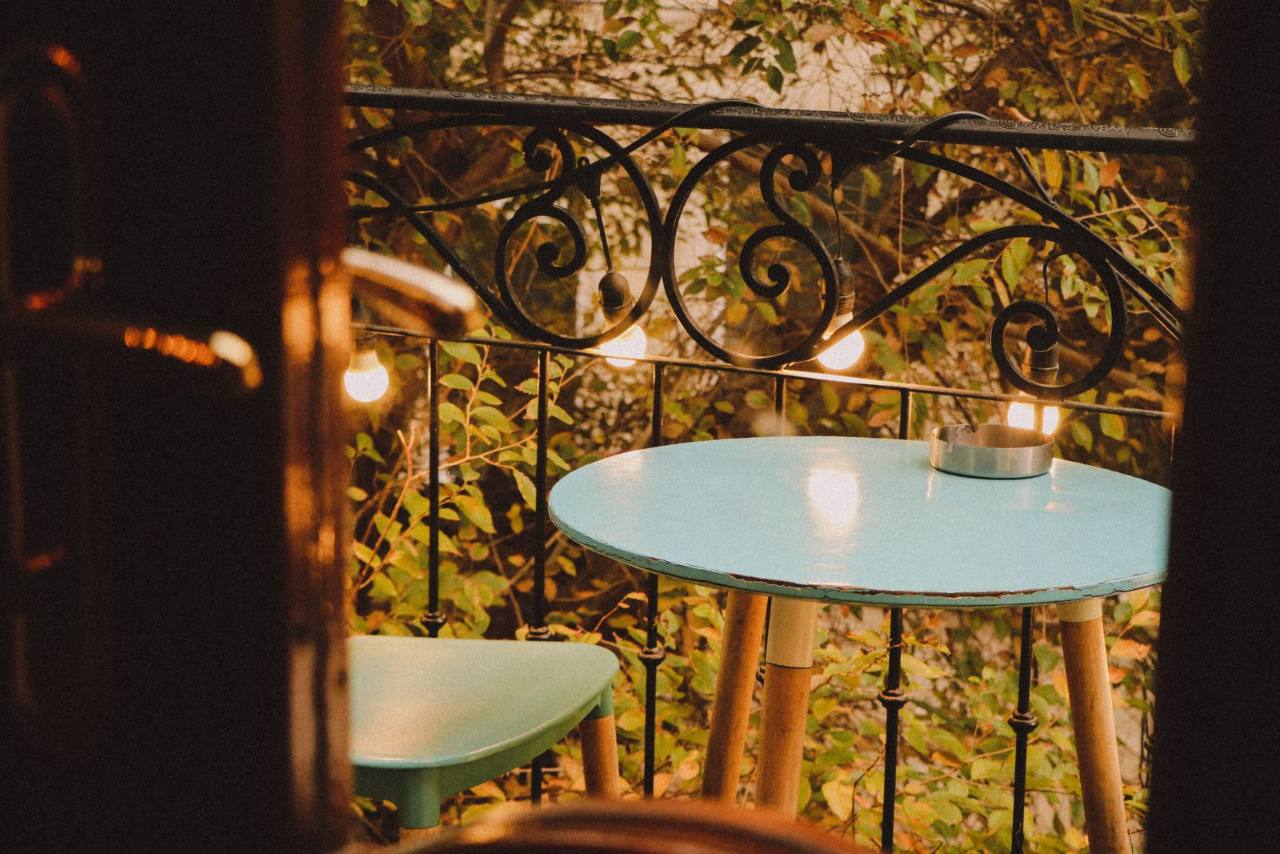
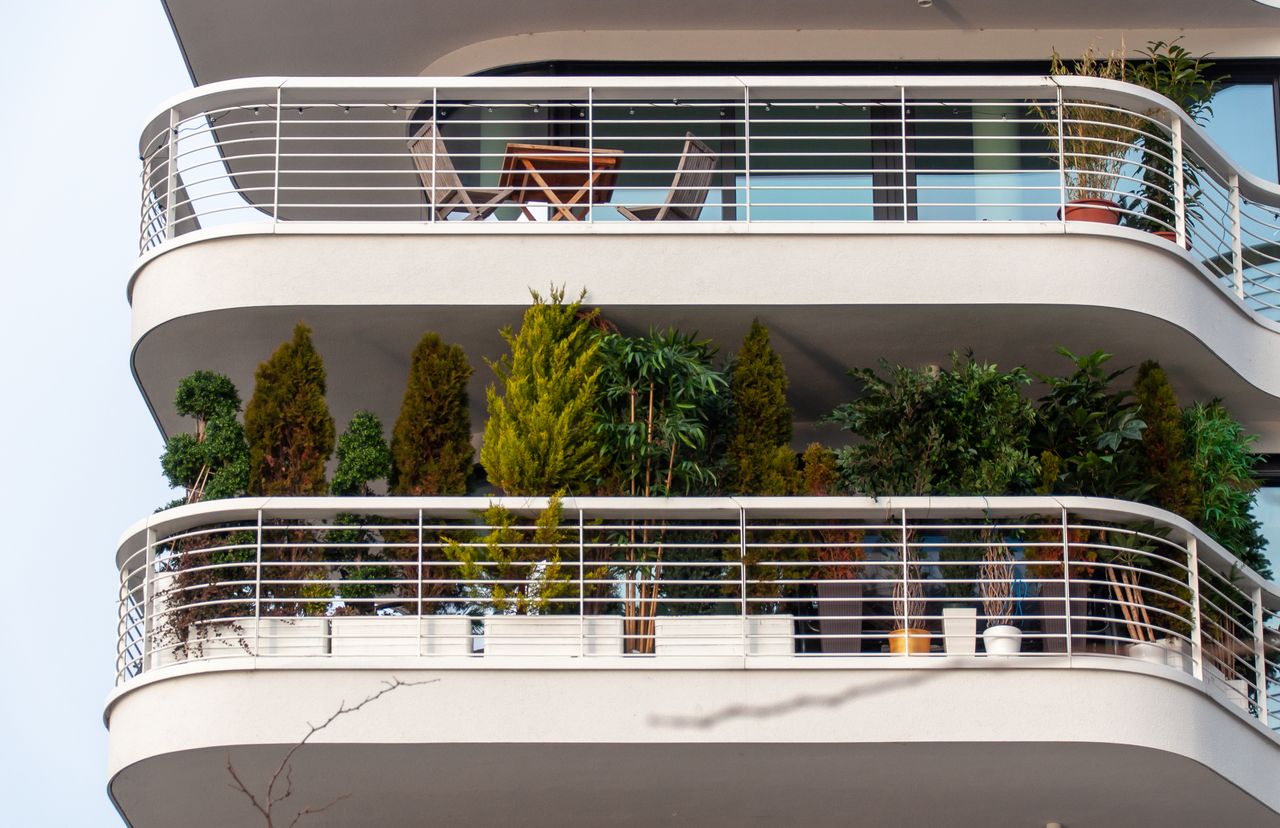
The best patio privacy ideas for renters are the ones you can set up without drills or screws: reed fencing zip-tied to the railing, freestanding screens, tall planters and outdoor curtains on tension rods. Pick one based on where the view is coming from (the side, the street or the balcony above) and you can have a private corner in an afternoon, then take it all with you when you move.
Below are 12 renter-friendly ways to block the view, with a budget and a premium pick for each, a quick comparison table and the lease questions worth asking first.
Before You Start: 3 Quick Checks for Renters
- Read your lease (and any building rules). Some buildings limit what can be seen from the street or attached to railings. A short email to your landlord with a photo of the product, and their approval in writing, protects your deposit.
- Find the line of sight. Sit where you’ll actually relax and note what you can see: a neighbor’s window to the side, a walkway in front, or a balcony above. Side views need screens, overhead views need shade.
- Think about wind and weight. A solid screen catches wind like a sail, and wet soil is heavy. On upper floors, secure everything well and ask the landlord about weight before adding large planters.
12 Patio Privacy Ideas for Renters
1. Zip-Tie Reed or Bamboo Fencing to the Railing
Rolled reed or bamboo fencing is the classic renter fix because it attaches with zip ties or garden wire and leaves no marks. It softens a metal railing right away and filters light rather than blocking it.
Budget: natural reed rolls cut to length with garden snips. Premium: thicker split-bamboo or willow rolls, which look more substantial and usually last longer outdoors. Use plenty of ties (top, middle and bottom) so the roll doesn’t flap in the wind.
Reed and bamboo burn easily, so keep grills, heaters and candles well away from them, and check whether your building allows grills on balconies at all.
2. Add a Freestanding Folding Screen
A folding screen is the most flexible option: move it as the sun or your neighbor’s habits change, and fold it away for guests. It is also a nice way to hide an AC unit or a stack of storage bins.
Check the label before you buy. Many wood and rattan screens are made for indoors and won’t survive rain, so look for weatherproof materials (treated wood, metal, resin wicker) or seal an indoor one with exterior stain or paint. On a windy patio, tie the screen to a sturdy railing or heavy furniture.
Budget: an indoor wood screen sealed with exterior paint. Premium: a powder-coated metal screen with a laser-cut pattern that casts pretty shadows.
3. Build a Living Wall of Tall Planters
A row of tall containers gives you the softest, most luxurious kind of privacy, and every pot goes with you when you move. Ornamental grasses, potted evergreens and bamboo in containers all work well.
If you choose bamboo, keep it in pots. Washington State University Extension explains that running bamboos spread by sending rhizomes many feet from the parent plant, and suggests pots or containers instead of planting directly in the ground. Clumping types are less likely to escape.
Even potted bamboo needs dividing every few years before it becomes root-bound. For more plant picks, see our guide to plants for an outdoor living space.
Budget: lightweight resin pots and fast-growing grasses. Premium: matching tall fiberglass planters in one color, which look custom and weigh less than ceramic or concrete.
Remember that container plants dry out faster than plants in the ground, so plan on more frequent watering. Keep the heaviest pots against a wall or the railing rather than in the middle of the floor.
4. Use Planter Boxes With a Built-In Trellis
A planter with an attached trellis is a freestanding screen and a garden in one. Train a climber such as clematis, annual sweet peas or morning glory (or star jasmine in mild climates) up the trellis, and the screen gets fuller every month.
Because the trellis is anchored by the soil in its own box, nothing gets screwed into the wall or floor. Put two or three side by side to create a green wall along the most exposed edge.
Tall trellis planters can tip in strong wind, so choose a wide, deep box and keep it against the railing or a wall. Budget: a wooden planter-trellis kit. Premium: a powder-coated steel planter with a slatted screen.
5. Hang Outdoor Curtains on Tension Rods
On a covered patio or a recessed balcony with walls on two sides, a heavy-duty tension rod can hold outdoor curtains with no drilling at all. Curtains make a patio feel like a room, and you can open them when you want the view back.
Choose fabric made for outdoors so it resists fading and mildew, and weigh down the hems or tie them to the railing so they don’t billow. A tension rod is only held by pressure, so tie curtains back or take them down before storms. The same rules that make indoor windows look bigger apply outside too: hang them high and let them stop just above the floor so the hems stay dry (see how to hang curtains).
Budget: ready-made outdoor polyester panels. Premium: solution-dyed acrylic curtains in a crisp white or warm linen tone, which look like a resort cabana.
6. Block Upstairs Views With an Umbrella
Screens do nothing for the neighbor looking down from the balcony above. A tilting market umbrella or a cantilever umbrella that sits off to one side gives you a roof you can angle toward the view (and the sun).
Budget: a clamp-on umbrella that fixes to the railing. Premium: a cantilever umbrella with a weighted base, which leaves the area under the canopy free for a lounge chair. Always close umbrellas when it gets windy.
7. Cover the Railing With a Privacy Screen Cover
Fabric railing covers (often called balcony privacy screens) are made exactly for apartments. They wrap the lower part of the railing, attach with cable ties or cords, and hide everything from the knees down, including the clutter that people walking past notice first.
Pick a neutral shade such as sand, stone or charcoal so it looks intentional rather than temporary. Mesh fabric lets some air through, which helps on windy floors.
Attach it to the inside of the railing so nothing can drop onto the street, and ask first, since this is the kind of item buildings often regulate because it changes how the facade looks. Budget: a standard polyester cover. Premium: a heavier HDPE mesh or a rattan-look railing panel.
Glass railing? Zip-tie fixes won’t work, but static-cling frosted or reeded window film goes on with water and peels off at move-out. Clear it with your landlord first, because some films are harder to remove than others.
8. Try Expandable Trellis Panels With Faux Greenery
Expandable willow or plastic trellis panels with faux ivy are the zero-maintenance option for anyone who travels or forgets to water. They stretch to fit, attach with ties and give a hedge-like look in minutes.
For a more expensive look, mix faux and real: one or two living plants in front of the panel make the whole wall read as real greenery. Choose UV-resistant faux leaves, because cheaper ones can fade in strong sun.
Budget: an expandable willow trellis with faux ivy. Premium: dense UV-rated faux boxwood or hedge panels.
9. Hang Plants From Existing Hooks or a Rod
If your patio has a ceiling, beams or existing hooks, a row of hanging baskets creates a soft, partial screen at eye level without taking up floor space. Trailing plants like sweet potato vine or trailing herbs fill out quickly.
No hooks? A heavy-duty tension rod between two walls can hold one or two small, lightweight baskets; check its weight rating and skip this on windy upper floors. Water carefully so baskets don’t drip onto a neighbor’s balcony below.
Budget: plastic baskets with coco liners. Premium: woven or ceramic hanging planters on leather or macrame hangers.
10. Create a Divider With an Outdoor Shelf
An open outdoor shelving unit, placed sideways, works like a room divider. Fill it with potted plants, lanterns and baskets and it blocks most of the view while adding storage, which small patios always need.
Choose metal, teak or another weather-rated material, and anchor it to the railing with ties if it is tall. Heavier items go on the lowest shelves for stability.
Budget: a metal ladder shelf. Premium: a teak étagère that looks like indoor furniture.
11. Rethink the Layout and the Lighting
Sometimes privacy is about where you sit, not what you add. Turn seating away from the walkway or the neighbor’s window and toward a plant wall or the open view, and the space feels more tucked away. Our guide to creating a cozy outdoor living room has more layout ideas.
Lighting matters at night. Bright lights inside the patio make you more visible through thin fabric, while low lanterns and warm string lights keep the glow soft. Use outdoor-rated lights and battery or solar options if you don’t have an outside outlet.
Budget: rearrange what you own and add solar string lights. Premium: cordless rechargeable table lamps rated for outdoor use.
12. Add Sound Privacy With a Tabletop Fountain
Privacy isn’t only visual. A small tabletop or solar fountain adds gentle background sound that softens traffic noise and makes nearby conversations harder to pick out. It is a small touch, but it makes a patio feel like a retreat.
Budget: a solar bowl fountain. Premium: a sculptural stone or ceramic tabletop fountain.
Renter Patio Privacy Ideas Compared
| Idea | Blocks | Setup | Cost | Best for |
|---|---|---|---|---|
| Reed or bamboo fencing | Side and street views | Zip ties | $ | Balcony railings |
| Folding screen | One side, movable | None | $$ | Changing sun or views |
| Tall planters | Side views, softly | None | $$ | A luxurious, green look |
| Planter with trellis | Side views | None | $$ | Gardeners |
| Curtains on tension rods | Side and front views | Tension rod | $$ | Covered patios |
| Umbrella | Views from above | Clamp or base | $$ | Upstairs neighbors |
| Railing cover | Lower half | Cable ties | $ | Hiding clutter |
| Faux-ivy trellis | Side views | Ties | $ | Low maintenance |
| Hanging plants | Eye level, partial | Hooks or rod | $ | Small floor space |
| Shelf divider | One side | None or ties | $$ | Extra storage |
| Layout and lighting | Partial, all angles | None | $ | Zero budget |
| Tabletop fountain | Sound | None | $$ | Noisy streets |
How to Make a Privacy Setup Look Expensive
- Stick to two materials. For example, natural reed plus black metal, or teak plus white fabric. Too many textures look improvised.
- Repeat planters. Three identical pots look designed; five different ones look like a garden center.
- Go full height where it counts. One floor-to-ceiling curtain or tall plant wall beats a row of short screens.
- Finish the floor. An outdoor rug or interlocking deck tiles make the whole space feel like a room (compare options in our outdoor flooring guide).
Working with a tiny space? Our small balcony ideas and rental apartment decorating ideas pair well with any of the screens above.
Key Takeaways
- Choose your fix by the line of sight: screens and plants for side views, umbrellas for views from above.
- Zip ties, tension rods and freestanding pieces give you privacy without damaging a rental.
- Use weatherproof materials and secure everything against wind, especially on upper floors.
- Keep bamboo in containers, and check your lease before adding anything visible from outside.
FAQ
How can I get privacy on my patio without drilling?
Use zip ties, tension rods and freestanding pieces. Reed fencing and railing covers tie on, curtains hang from tension rods between two walls, and planters, folding screens and shelves simply stand in place.
Can my landlord stop me from putting up a privacy screen?
It depends on your lease and building rules, which sometimes cover what is attached to railings or visible from outside. Ask first and send a photo of the product; removable, neutral-colored screens are the easiest to get approved.
What is the cheapest way to block a neighbor’s view?
Reed fencing zip-tied to the railing is usually the least expensive option, followed by a fabric railing cover. Moving your seating so it faces away from the neighbor costs nothing at all.
How do I get privacy from the balcony above me?
Add overhead cover. A tilting or clamp-on umbrella works on most balconies, and hanging plants or a curtain along the top edge can also help on a covered patio.
How do I stop a privacy screen from blowing over?
Tie it to something solid, such as the railing or heavy furniture, at the top and bottom. Mesh or slatted screens let wind pass through and are more stable than solid panels, and umbrellas should always be closed in strong wind.
Your Private Corner Is One Afternoon Away
The best patio privacy ideas for renters don’t need a permanent fence. Start with the side that bothers you most, add one screen and one layer of plants, and build from there. Everything on this list comes with you when you move, so it’s money spent on your home, not your landlord’s.