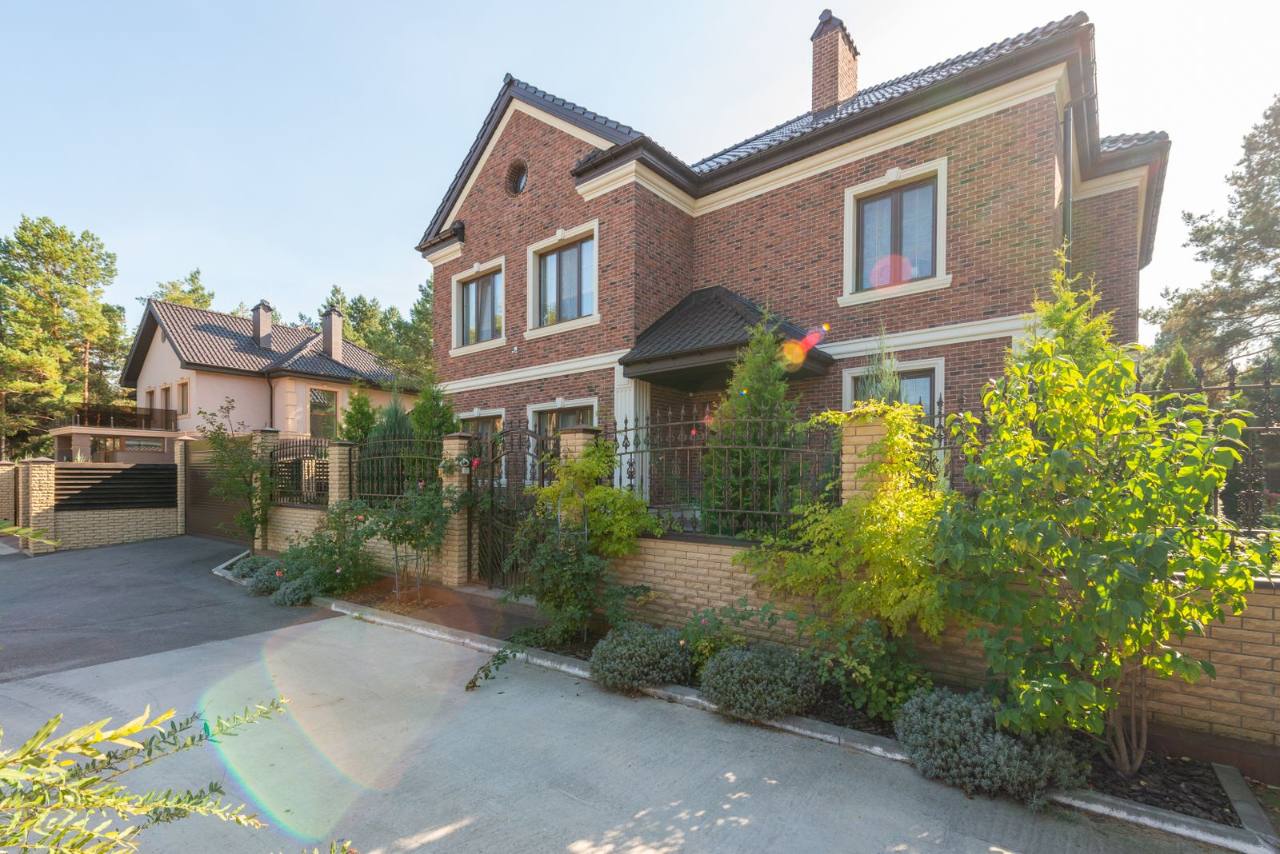
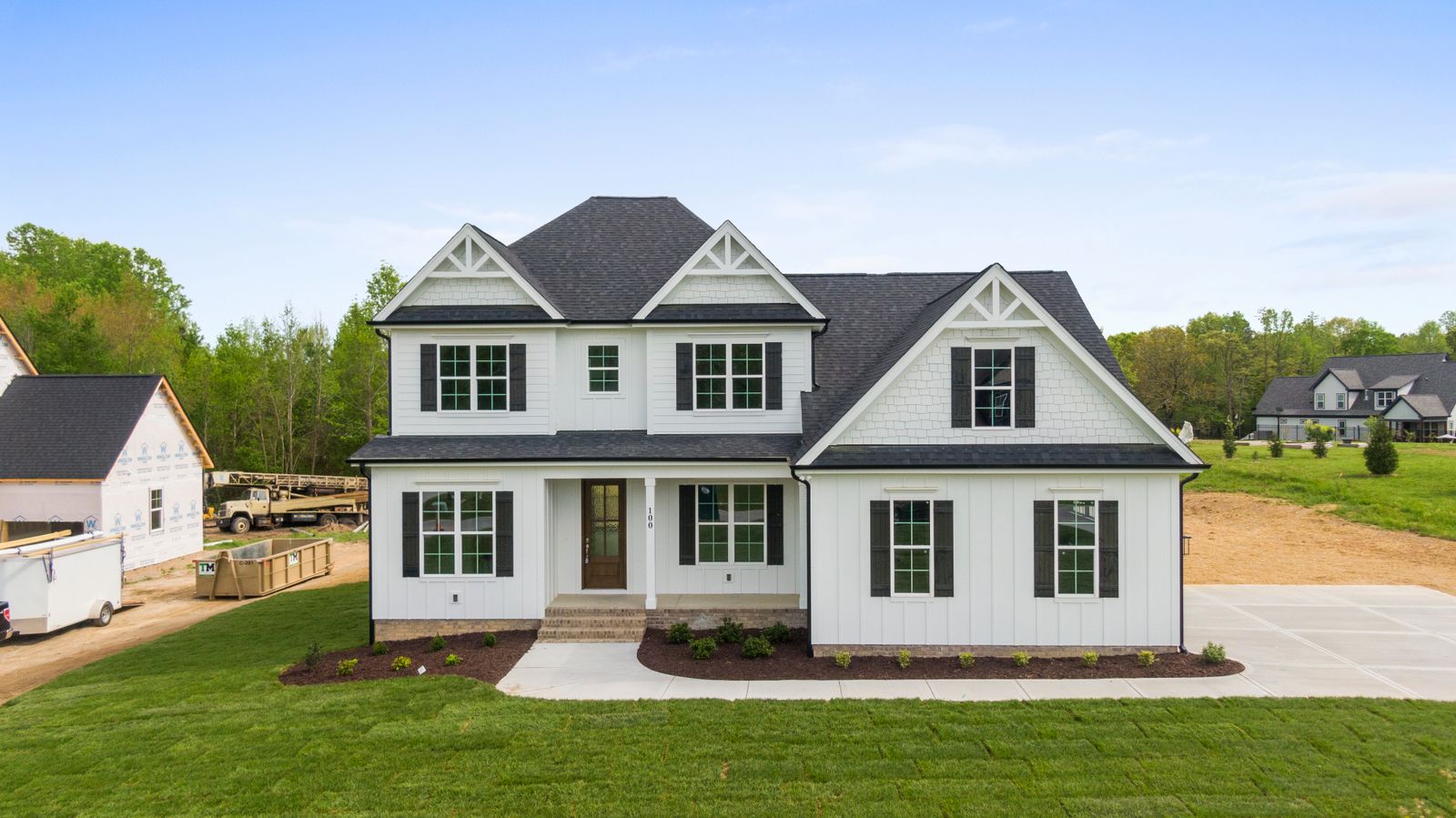
The best exterior house color combinations that never date use two or three colors: a quiet body color, a clean trim color and one deeper accent for the door or shutters. Warm white with black, greige with creamy trim, navy with white and soft sage with cream have looked right on homes for decades because they work with the roof, brick and landscape instead of fighting them.
Below are 12 timeless pairings with real paint names and codes, where to use each shade, and how to test them on your own house before you commit. There are budget and premium routes for every look, whether you are repainting everything or just the front door.
Key Takeaways
- Stick to two or three colors on most homes: body, trim and one accent. Detailed Victorian or Craftsman homes can carry more.
- Start with what you can’t change. Roof, brick, stone and windows decide which undertones will look right.
- Contrast in lightness matters more than contrast in hue. A light body with a dark door reads crisp from the street, even in neutrals.
- Test big samples on two sides of the house and check them morning and evening before buying gallons.
- The front door is the cheapest place to add color and the easiest to change later.
What Makes an Exterior Color Combination Timeless?
Trend colors come and go, but the combinations that last follow a few simple rules. Designers interviewed by Homes & Gardens keep coming back to the same advice: limit the palette, respect the architecture and match undertones.
1. Work with your fixed elements
Your roof, brick, stone, gutters and window frames are expensive to change, so treat them as part of the palette. A brown roof pulls toward warm whites, beiges and greens. A black or charcoal roof suits crisp whites, grays and navy.
2. Keep undertones in the same family
Warm colors with warm, cool with cool. A yellow-based cream trim beside a blue-gray body can look slightly “off” from the curb even if each color is lovely on its own.
3. Use value contrast, not color overload
Most timeless houses are light with dark accents, or dark with light accents. That contrast in lightness gives definition without needing a third or fourth bright color.
4. Let the architecture lead
Simple Colonial and Federal homes usually look best with one to three colors. Victorian and Craftsman homes, with brackets and layered trim, can handle more. If you’re unsure of your home’s style, our guide on how to pick the best exterior paint color walks through it step by step.
12 Exterior House Color Combinations That Never Date
Each pairing lists the body, trim and accent colors. Mixing brands is fine, but buy each shade from the brand that makes it rather than relying on a store color-match, which can drift slightly.
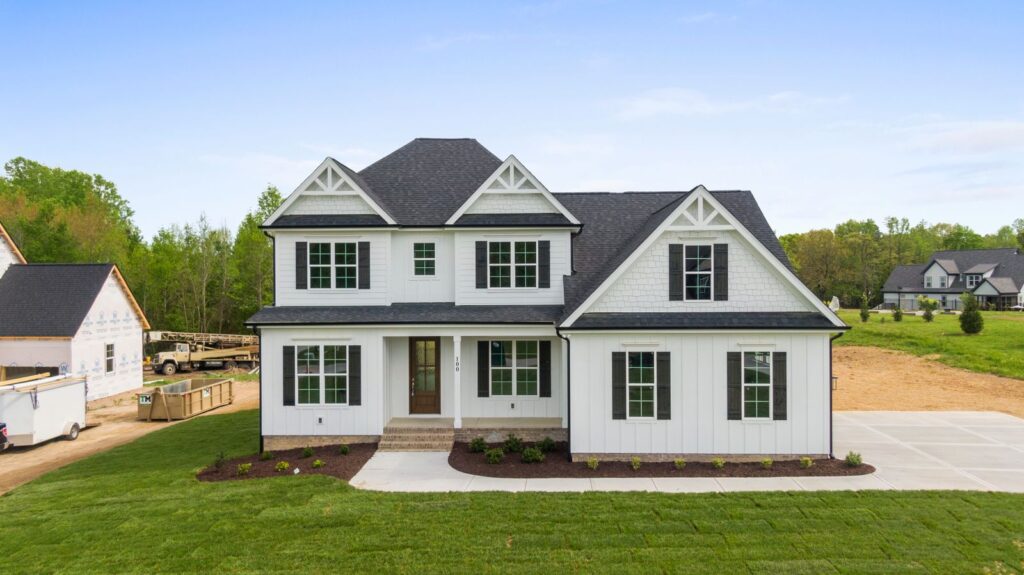
1. Warm White + Glossy Black
This is the combination people picture when they think “classic.” A soft white body and trim with a black front door works on farmhouses, Colonials and modern homes alike.
- Body and trim: Benjamin Moore White Dove (OC-17)
- Door or shutters: Sherwin-Williams Tricorn Black (SW 6258)
- Best for: almost any style, especially with a black or dark gray roof
Choose a warm white rather than a stark one. Pure white can glare in full sun and look cold against natural surroundings.
2. Greige + Creamy White + Bronze
Greige sits between gray and beige, so it flatters both cool stone and warm brick. Paired with a creamy trim and a deep bronze door, it reads relaxed and expensive.
- Body: Benjamin Moore Revere Pewter (HC-172) or Edgecomb Gray (HC-173) for a lighter look
- Trim: Sherwin-Williams Alabaster (SW 7008)
- Door and light fixtures: Sherwin-Williams Urbane Bronze (SW 7048)
- Best for: suburban homes, mixed stone and siding, brown or gray roofs
3. Navy + White
Navy is one of the most reliable “colors” for a body because it behaves almost like a neutral. Bright white trim keeps it fresh rather than heavy.
- Body: Benjamin Moore Hale Navy (HC-154)
- Trim: Benjamin Moore White Dove (OC-17)
- Door: natural or stained wood, or keep it white with brass hardware
- Best for: Cape Cods, coastal homes, Colonials
4. Soft Gray + White + Red Door
A red front door on a gray house is a traditional look that never feels tired. The gray should lean slightly blue or green so the red doesn’t look pink beside it.
- Body: Benjamin Moore Boothbay Gray (HC-165)
- Trim: a clean white such as Sherwin-Williams Extra White (SW 7006)
- Door: Benjamin Moore Heritage Red (HC-181)
- Best for: Colonials, farmhouses, homes with gray or black roofs
5. Charcoal + Natural Wood
Dark exteriors make a modern home feel grounded, and warm wood keeps charcoal from looking stark. Paint trim the same color as the body (or one step darker) for a tailored, monochrome finish.
- Body: Benjamin Moore Kendall Charcoal (HC-166)
- Trim and window frames: Sherwin-Williams Iron Ore (SW 7069)
- Accent: cedar or stained-wood door, soffits or garage door
- Best for: modern, mid-century and Scandinavian-style homes
Dark colors absorb more heat and can show fading sooner on sun-baked walls, so ask your paint store about a heat-reflective or premium exterior line if your house faces strong sun.
6. Sage Green + Cream
Muted greens blend into gardens and trees, which is why they rarely look dated. Sage with a creamy trim feels soft and welcoming.
- Body: Sherwin-Williams Evergreen Fog (SW 9130)
- Trim: Sherwin-Williams Alabaster (SW 7008)
- Door: Sherwin-Williams Pewter Green (SW 6208)
- Best for: cottages, Craftsman bungalows, wooded lots
7. Tonal Deep Greens
For a richer look, use two greens instead of green and white. Tone-on-tone trim was common on older homes and looks considered rather than trendy.
- Body: Sherwin-Williams Retreat (SW 6207)
- Trim and accents: Sherwin-Williams Rock Bottom (SW 7062)
- Best for: Tudor, Craftsman and older homes surrounded by greenery
8. Red Brick + Cream Trim + Dark Green Shutters
If you have red or orange brick, don’t fight it. A creamy trim softens the brick, and deep green shutters or a green door tie the house to the lawn.
- Brick: left natural
- Trim: Sherwin-Williams Alabaster (SW 7008)
- Shutters or door: Sherwin-Williams Pewter Green (SW 6208), or Tricorn Black (SW 6258) for more contrast
- Best for: traditional brick homes and Georgians
Weighing a bigger change to the facade itself? Our comparison of brick vs siding covers cost, durability and curb appeal.
9. Warm Beige + White + Navy Door
Beige has a reputation for being dull, but a warm, slightly gray beige with white trim and a navy door looks polished and hides dust well.
- Body: Sherwin-Williams Accessible Beige (SW 7036)
- Trim: Sherwin-Williams Snowbound (SW 7004)
- Door: Sherwin-Williams Naval (SW 6244)
- Best for: ranch homes, stucco, warm climates and brown roofs
10. Muted Coastal Blue + White
A soft blue-gray reflects sky and water, so it suits homes near the coast or a lake. Keep it muted; a saturated sky blue dates much faster.
- Body: Benjamin Moore Water’s Edge (1635)
- Trim: Benjamin Moore White Dove (OC-17)
- Door: Benjamin Moore Hale Navy (HC-154)
- Best for: shingle-style, coastal and cottage homes
11. Light Gray + Charcoal + White
A three-step palette of light, dark and white gives a lot of definition with no “color” at all. It’s a safe choice if you’re selling or simply can’t decide.
- Body: Sherwin-Williams Repose Gray (SW 7015)
- Trim: Sherwin-Williams Extra White (SW 7006)
- Shutters and door: Sherwin-Williams Iron Ore (SW 7069)
- Best for: Colonials, split-levels, homes with charcoal or black roofs
12. Soft White Stucco + Dark Bronze + Terracotta
Mediterranean and Spanish-style homes look best with a warm white wall, dark window frames and the natural terracotta of a clay roof or planters.
- Walls: Sherwin-Williams Alabaster (SW 7008) or Snowbound (SW 7004)
- Windows, railings and lights: Sherwin-Williams Urbane Bronze (SW 7048)
- Accent: terracotta roof tiles, pots or a stained-wood door
- Best for: stucco homes and hot, sunny climates
Quick Comparison: Which Combination Fits Your Home?
| Combination | Mood | Works best with | Roof color |
|---|---|---|---|
| Warm white + black | Classic, crisp | Almost any style | Black, dark gray |
| Greige + cream + bronze | Relaxed, upscale | Stone, mixed materials | Brown, gray |
| Navy + white | Fresh, nautical | Cape Cod, Colonial | Gray, black |
| Gray + white + red door | Traditional | Colonial, farmhouse | Gray, black |
| Charcoal + wood | Modern, grounded | Modern, mid-century | Black, metal |
| Sage + cream | Soft, natural | Cottage, Craftsman | Brown, green, gray |
| Tonal greens | Rich, historic | Tudor, Craftsman | Brown, slate |
| Red brick + cream + green | Traditional, warm | Brick homes | Brown, black |
| Beige + white + navy | Warm, polished | Ranch, stucco | Brown, tan |
| Muted blue + white | Coastal, airy | Shingle, cottage | Gray, weathered wood |
| Light gray + charcoal + white | Safe, tailored | Colonial, split-level | Charcoal, black |
| White stucco + bronze | Sunny, earthy | Spanish, Mediterranean | Terracotta |
How to Choose Your Exterior Color Combination (Checklist)
- Photograph your house from the street in daylight and note the roof, brick, stone and window colors.
- Pick the body color first, since it covers the most area, then choose trim and accent to suit it.
- Check the neighborhood and any HOA rules. You want to stand out a little, not clash.
- Buy large samples or peel-and-stick swatches and place them on at least two sides of the house.
- Look at them at different times of day. Exterior colors usually read lighter and brighter outside than on a small chip.
- Confirm the finish before ordering (see below).
For more on how roof, siding and trim colors work together, read our post on trim paint color ideas.
Choosing the Right Paint Sheen
The same color can look different depending on its finish. Exterior painting guides, including Angi’s guide to exterior sheens, generally recommend satin as a versatile finish for siding, flatter finishes to hide flaws on rough surfaces, and semi-gloss for trim, doors and shutters because it’s durable and adds definition.
A practical rule: satin or flat on the body, semi-gloss on trim, and semi-gloss or high-gloss on the front door for that lacquered, high-end look.
Budget vs Premium: Ways to Get the Look
Angi puts the national average for painting a house exterior at around $3,177, with most projects between roughly $1,800 and $4,550 (2026 data). Costs vary a lot by region, house size, siding condition and how much prep is needed, so get two or three local quotes.
Budget options
- Paint only the front door and shutters. One or two quarts can change how the whole facade reads.
- Swap hardware and lighting to black or bronze to match your new accent color.
- Repaint the trim only if the body color is still in good shape.
- Add planters and greenery in colors that echo your palette.
Premium options
- Hire a pro for a full repaint with a premium exterior paint line for better coverage and fade resistance.
- Book a color consultation; many paint brands and local designers offer them.
- Upgrade the front door to solid wood or a statement color with new hardware.
- Add architectural lighting to show off the colors at night.
If your entrance needs more than paint, our front entry design ideas are a good next step.
Exterior Color Mistakes That Make a House Look Dated
- Following a single trend color for the whole body. Use trendy shades on the door, where they’re cheap to change.
- Ignoring the roof. A cool gray body under a warm brown roof rarely looks intentional.
- Using too many colors on a simple house, which makes it look busy.
- Choosing from a tiny chip indoors. Daylight changes colors dramatically.
- Picking stark white in a very sunny climate, where it can glare.
We cover more pitfalls in 5 common mistakes homeowners make when updating their exterior.
FAQ
What is the most timeless exterior house color combination?
White or warm white with black accents is the most enduring choice. It suits nearly every architectural style and roof color, and you can refresh it easily by changing the door color or hardware.
How many colors should a house exterior have?
Most homes look best with two or three: a body color, a trim color and an accent for the door or shutters. Highly detailed styles like Victorian homes can use more, but simple Colonial and ranch homes rarely need it.
Should exterior trim be lighter or darker than the body?
Either works. A light trim on a medium or dark body gives a classic, crisp outline, while trim darker than the body (or the same color) feels more modern and tailored. The key is enough contrast in lightness for the trim to read from the street.
What exterior colors look best with a brown roof?
Warm colors with yellow or red undertones work best, such as creamy whites, warm beiges, greige, sage and deep greens. Avoid icy grays and stark blue-whites, which can clash with brown shingles.
Do dark exterior colors fade faster?
Dark colors absorb more heat and sunlight, so fading can show sooner, especially on south- and west-facing walls. A premium exterior paint and regular cleaning help them last longer.
Final Thoughts
Timeless exterior color combinations aren’t about the “right” color; they’re about balance. Respect the roof and brick, keep undertones consistent and use one confident accent. Test your favorites on the house itself, then save the bolder ideas for the front door, where change is quick and affordable.