
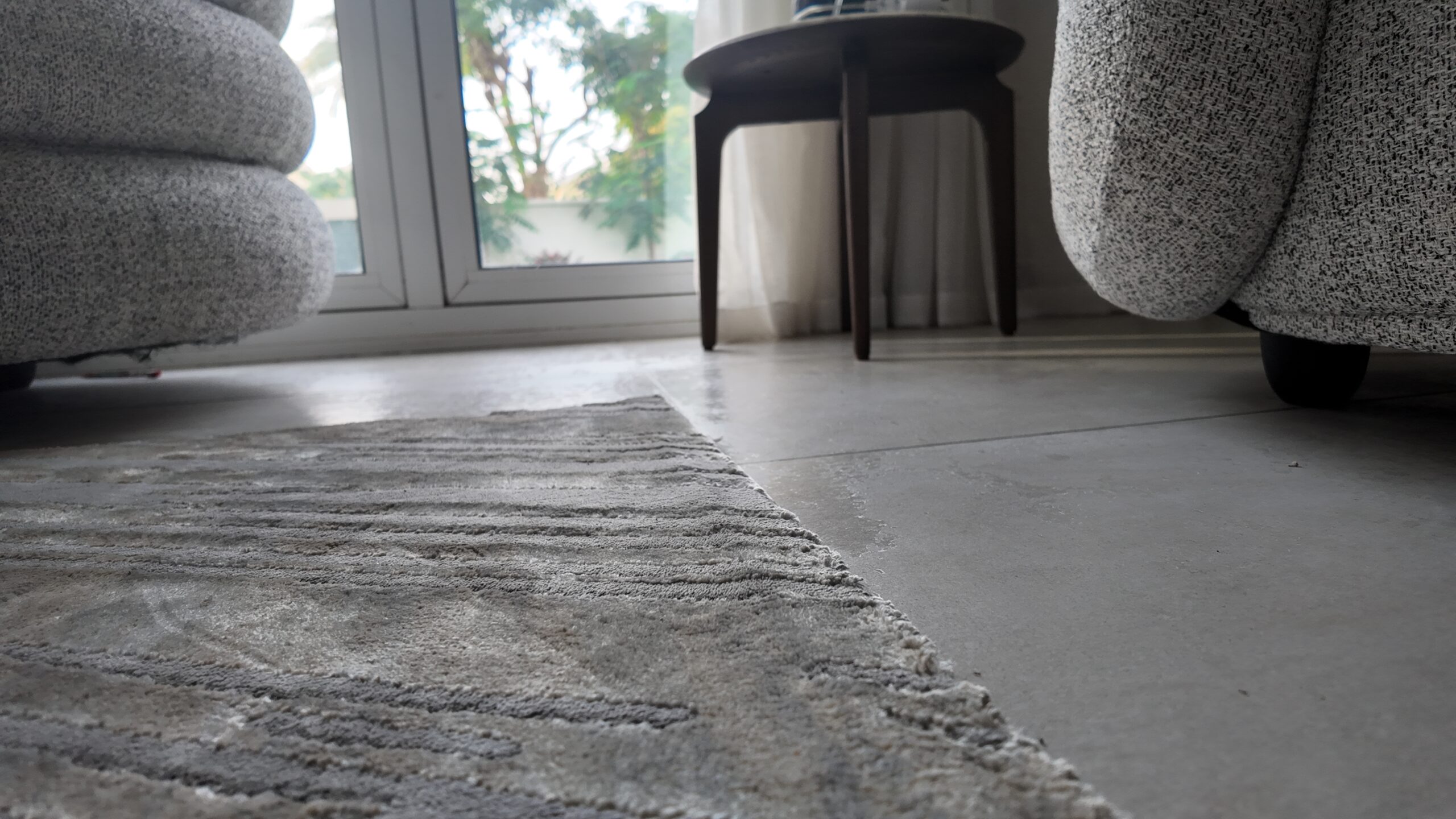
You walk into your living room, and there it is again, that unmistakable musty smell coming from your beautiful rug. You’ve vacuumed it, you’ve sprayed air freshener around it, but nothing seems to work. The odor keeps coming back, making you wonder if you’ll ever enjoy your space without that unpleasant smell greeting you at the door.
I’ve been there myself. Last year, I dealt with a vintage Persian rug that developed the worst musty odor after a minor water leak. I almost gave up on it entirely until I discovered what actually works to eliminate musty rug smells for good.
The truth is, musty odors in rugs don’t just disappear on their own. They’re caused by moisture, mold, mildew, or bacteria trapped deep in the fibers.. and surface-level cleaning won’t cut it. Good news: the right steps will remove the musty smell and keep it from coming back.
In this guide, I’ll walk you through exactly why your rug smells musty and share the seven best methods I’ve personally tested to eliminate the odor step-by-step. Whether your rug is wool, synthetic, or antique, you’ll find a solution that works.
Why Does My Rug Smell Musty? How to Get Rid of Musty Smell in Rug?
Before we jump into solutions, let’s talk about why your rug smells musty in the first place. Understanding the cause helps you choose the right removal method and prevents the smell from coming back.
Common Causes of Musty Rug Odors
Moisture and Humidity: This is the number one culprit. When rugs absorb moisture from spills, humidity, or sitting on damp floors, they create the perfect environment for mold and mildew growth. Even if you can’t see the mold, you’ll definitely smell it.
Poor Air Circulation: Rugs placed in areas with limited airflow, like against walls, under heavy furniture, or in basements.. trap moisture and prevent proper drying. If your room tends to echo or feel stuffy, poor ventilation might be affecting your rug too. Check out why your room might echo and how air circulation plays a role.
Pet Accidents: If you have pets, urine or other accidents that weren’t cleaned immediately can soak deep into the rug padding and backing, creating persistent musty odors.
Wet Backing or Padding: Sometimes the rug surface dries quickly, but the backing or padding underneath stays damp for days. This hidden moisture breeds bacteria and creates that telltale musty smell.
Storage in Damp Spaces: Rugs stored in basements, attics, or garages without proper ventilation often develop musty odors over time.
The key takeaway? Moisture is almost always involved. Once you identify where the moisture came from, you can tackle the musty rug smell effectively.
7 Best Methods to Remove Musty Smell from Your Rug
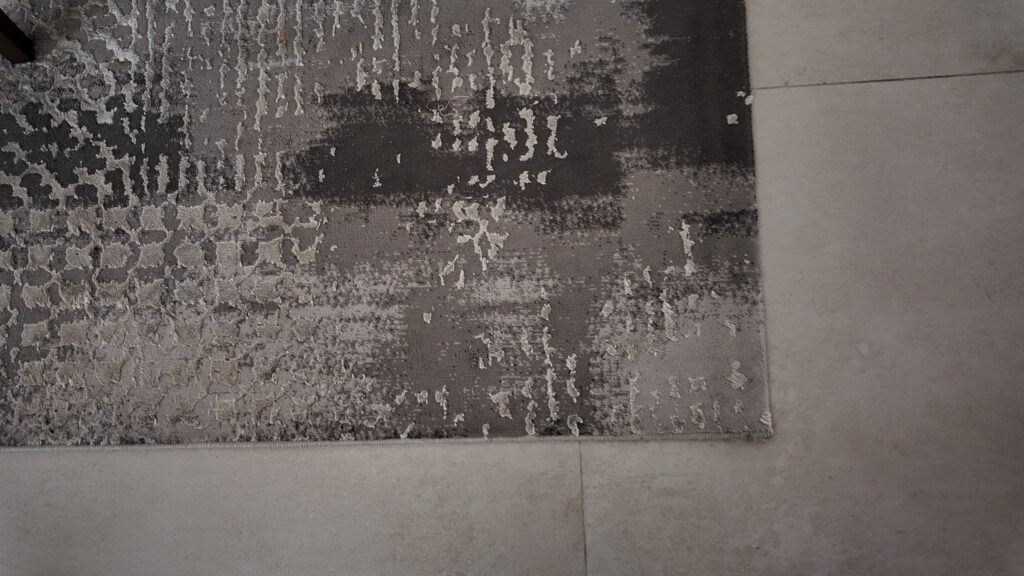
Now let’s get into the solutions. I’ve arranged these from simplest to most intensive, so you can start with the easiest method and work your way up if needed.
Method 1: Deep Vacuum and Air Out Your Musty Rug
This might sound too simple, but you’d be surprised how effective proper airing can be for mild musty smells.
Step-by-step process:
- Take your rug outdoors on a dry, sunny day
- Hang it over a railing, fence, or clothesline
- Beat the rug gently with a broom or rug beater to release trapped dust and particles
- Let it air out in direct sunlight for 4-6 hours, flipping it halfway through
- Vacuum both sides thoroughly when you bring it back inside
Why this works: Sunlight is nature’s disinfectant. UV rays kill mold spores and bacteria while fresh air helps moisture evaporate. The physical beating releases particles trapped deep in the fibers where odors hide.
Best for: Light musty smells, rugs that haven’t been aired in months, or as a first step before trying stronger methods.
Method 2: Baking Soda Treatment for Musty Rug Odors
Baking soda is my go-to for neutralizing odors because it’s safe, inexpensive, and genuinely effective.
Step-by-step process:
- Vacuum your rug thoroughly first
- Sprinkle a generous layer of baking soda over the entire rug surface (don’t be shy—use at least one full box for a medium-sized rug)
- Work the baking soda into the fibers using a soft brush or broom
- Let it sit for at least 8 hours, preferably overnight or up to 24 hours
- Vacuum thoroughly, going over each section multiple times
- Flip the rug and repeat on the other side if the smell persists
Why this works: Baking soda absorbs moisture and neutralizes odor molecules rather than just covering them up. The longer it sits, the better it works.
Pro tip: For stubborn musty smells, mix baking soda with a few drops of essential oil (lavender or tea tree work great) before sprinkling.
Method 3: White Vinegar Solution to Eliminate Musty Smell
Vinegar is a powerful natural deodorizer and mild disinfectant that kills mold and mildew causing that musty rug smell.
Step-by-step process:
- Mix equal parts white vinegar and water in a spray bottle (1:1 ratio)
- Test the solution on a small, hidden area of your rug first to check for colorfastness
- Lightly mist the entire rug surface, don’t soak it
- Allow the rug to air dry completely in a well-ventilated area or outside
- Once dry, vacuum thoroughly
Why this works: Vinegar’s acidity kills mold, mildew, and odor-causing bacteria. As it dries, the vinegar smell disappears and takes the musty odor with it.
Important note: Never use vinegar on natural stone tile underneath rugs or on certain delicate antique rugs. Always test first.
Method 4: Enzyme Cleaner for Deep Musty Odor Removal
If your musty rug smell is caused by pet accidents or organic matter, enzyme cleaners are game-changers.
Step-by-step process:
- Purchase a pet-safe enzyme cleaner designed for odor removal (not just coverage)
- Blot any visible stains or damp areas first
- Apply the enzyme cleaner according to product directions, focusing on odorous areas
- Allow it to sit for the recommended time (usually 10-15 minutes)
- Blot with clean towels, don’t rinse unless instructions specify
- Let the rug air dry completely
Why this works: Enzyme cleaners contain beneficial bacteria that literally eat away at the organic compounds causing the smell. They work at a molecular level, not just on the surface.
Best for: Pet urine odors, food spills, or any organic source of the musty smell in your rug.
Method 5: Steam Cleaning Your Musty Rug
Steam cleaning provides deep sanitization and is one of the most effective methods for severe musty odors.
Step-by-step process:
- Rent or purchase a carpet steam cleaner (or hire a professional)
- Pre-treat any visible stains or heavily odorous areas
- Fill the machine with hot water and appropriate cleaning solution
- Work in small sections, making slow, overlapping passes
- Extract as much water as possible with the machine
- Use fans and dehumidifiers to speed up drying, this is crucial
- Ensure the rug dries completely within 24 hours to prevent new mold growth
Why this works: High-temperature steam kills mold, mildew, and bacteria while deep-cleaning fibers that regular vacuuming can’t reach.
Critical warning: Improper drying after steam cleaning can make the musty smell worse. Make sure your rug dries completely and quickly.
Method 6: Professional Rug Cleaning for Persistent Musty Smells
Sometimes DIY methods aren’t enough, especially for valuable or antique rugs with stubborn musty odors.
What to expect:
- Professional cleaners have industrial equipment that extracts more moisture and dirt
- They can identify the specific type of odor-causing agent
- Many offer antimicrobial treatments specifically for mold and mildew
- They know which cleaning methods are safe for your specific rug type
When to call a professional:
- The musty smell persists after trying multiple DIY methods
- Your rug is valuable, antique, or made from delicate materials
- You suspect extensive mold growth or water damage
- The rug is too large or heavy to clean effectively at home
Cost consideration: Professional rug cleaning typically costs between $2-$7 per square foot, but it’s often worth it to save a valuable rug and ensure complete odor removal.
Method 7: Addressing the Rug Backing and Padding for Complete Odor Removal
Here’s something most people miss: the musty smell might not be coming from the rug fibers at all, it could be trapped in the backing or padding underneath.
Step-by-step process:
- Carefully lift your rug and inspect both the backing and any padding underneath
- Feel for dampness or look for discoloration indicating mold growth
- If the padding is moldy or wet, remove and replace it entirely
- Clean the floor underneath thoroughly with a disinfectant
- If the rug backing itself smells musty, have it professionally cleaned or treated
- Ensure the floor is completely dry before putting the rug back
- Consider using a breathable rug pad designed to prevent moisture buildup
Why this matters: I’ve seen countless cases where people cleaned their rug repeatedly, only to have the smell return because the real problem was underneath. Don’t skip this step if other methods haven’t worked.
Prevention tip: Using furniture pads under heavy items can prevent your rug from getting trapped moisture. Learn more about keeping furniture from sliding and damaging your floors, which also helps with rug maintenance.
How to Prevent Your Rug from Smelling Musty Again
Now that you’ve eliminated the musty smell, let’s make sure it doesn’t come back.
Control humidity levels: Keep indoor humidity between 30-50% using a dehumidifier if necessary. This is especially important in basements and bathrooms where rugs often develop musty odors.
Improve air circulation: Don’t push rugs flush against walls or trap them completely under furniture. Allow air to circulate around and under them.
Clean spills immediately: Blot liquid spills right away and dry the area thoroughly. Don’t let moisture sit for hours or days.
Regular maintenance: Vacuum your rugs weekly and deep clean them at least once a year, more often in high-traffic or high-moisture areas.
Use moisture barriers: Place a quality rug pad underneath that allows airflow while protecting against moisture from the floor.
Rotate your rugs: Every few months, rotate your rugs to ensure even wear and exposure to air and light.
Check for leaks: Regularly inspect areas around windows, doors, and plumbing for leaks that could introduce moisture to your rugs.
Conclusion:
Dealing with a musty rug smell is frustrating, but it’s not a lost cause. Whether you start with simple baking soda treatment or need to call in professional cleaners, there’s a solution that will work for your situation.
Remember, the key is addressing the moisture source, not just masking the odor. Start with the easiest methods and move up if needed. Most musty rug odors can be completely eliminated with patience and the right approach.
Your rug is an investment in your home’s comfort and style. Don’t let a musty smell force you to get rid of it when these proven methods can bring it back to life.
For more home improvement tips and solutions to common household problems, follow us on Instagram @dariluxury where we share daily inspiration and practical advice.
Frequently Asked Questions
Q: How long does it take to remove the musty smell from a rug?
A: It depends on the severity and cause. Light musty smells can be eliminated in 24-48 hours with baking soda or vinegar treatment. More severe odors caused by mold or deep moisture might take several treatments over a week or two. The key is ensuring complete drying between treatments.
Q: Can I use bleach to remove the musty smell from my rug?
A: No, I strongly advise against using bleach on rugs. Bleach can permanently discolor fibers, damage the rug backing, and create toxic fumes when mixed with other cleaning products. Stick with vinegar, enzyme cleaners, or professional treatments instead.
Q: Why does my rug still smell musty after cleaning?
A: The most common reason is that the rug wasn’t dried completely after cleaning, which actually created new mold and mildew growth. Other possibilities include: the odor is in the padding underneath, there’s hidden water damage in the subfloor, or the cleaning method wasn’t appropriate for the type of odor-causing agent.
Q: Is a musty-smelling rug dangerous to my health?
A: Yes, potentially. Musty odors often indicate mold and mildew growth, which can trigger allergies, asthma, and respiratory issues, especially in children, elderly people, and those with compromised immune systems. Address the odor promptly rather than ignoring it.
Q: Should I throw away a rug that smells musty?
A: Not necessarily. Most musty rug smells can be eliminated with the right treatment. However, if the rug has extensive visible mold growth, severe water damage, or the smell persists after multiple professional cleanings, replacement might be the healthier and more cost-effective option.
Q: Can I prevent musty smells in rugs placed on concrete floors?
A: Absolutely. Concrete floors are notorious for trapping moisture. Use a moisture barrier or thick rug pad designed for concrete, ensure good ventilation in the room, and consider using a dehumidifier. Never place rugs on damp concrete, let the floor dry completely first.
Q: How often should I deep clean my rugs to prevent musty odors?
A: For most homes, deep cleaning rugs once every 12-18 months is sufficient for odor prevention. However, high-traffic areas, homes with pets, or rooms with high humidity should be cleaned every 6-12 months. Regular vacuuming weekly remains essential between deep cleanings.
Q: What’s the difference between musty and moldy smell in rugs?
A: They’re closely related. A musty smell is the odor produced by mold and mildew spores as they grow. “Moldy” usually refers to visible mold growth along with the smell, while “musty” might just be the odor without visible mold. Both indicate moisture problems that need addressing.
Q: Can I use a deodorizing spray on my musty rug?
A: Commercial deodorizing sprays only mask the odor temporarily, they don’t eliminate the source. You’ll waste money and the musty smell will return within hours or days. Focus instead on the removal methods in this guide that actually address the moisture and bacteria causing the smell.


**mitolyn**
Mitolyn is a carefully developed, plant-based formula created to help support metabolic efficiency and encourage healthy, lasting weight management.
How are you?
situs toto
situs togel
**boostaro**
Boostaro is a purpose-built wellness formula created for men who want to strengthen vitality, confidence, and everyday performance.
**herpafend**
Herpafend is a natural wellness formula developed for individuals experiencing symptoms related to the herpes simplex virus. It is designed to help reduce the intensity and frequency of flare-ups while supporting the bodys immune defenses.
**prostafense**
ProstAfense is a premium, doctor-crafted supplement formulated to maintain optimal prostate function, enhance urinary performance, and support overall male wellness.
**mounja boost**
MounjaBoost is a next-generation, plant-based supplement created to support metabolic activity, encourage natural fat utilization, and elevate daily energywithout extreme dieting or exhausting workout routines.
**men balance pro**
MEN Balance Pro is a high-quality dietary supplement developed with research-informed support to help men maintain healthy prostate function.
**prodentim reviews**
ProDentim is a distinctive oral-care formula that pairs targeted probiotics with plant-based ingredients to encourage strong teeth, comfortable gums, and reliably fresh breath
**aqua sculpt**
aquasculpt is a premium metabolism-support supplement thoughtfully developed to help promote efficient fat utilization and steadier daily energy.
**neurosharp official**
Neuro Sharp is an advanced cognitive support formula designed to help you stay mentally sharp, focused, and confident throughout your day.
I really enjoyed playing. hit cans 3d has some interesting mechanics that keep you coming back for more.
**backbiome**
Mitolyn is a carefully developed, plant-based formula created to help support metabolic efficiency and encourage healthy, lasting weight management.
This was a very informative post. I appreciate the time you took to write it.
Great points, well supported by facts and logic.
I appreciate the honesty and openness in your writing.
Thanks for making this so reader-friendly.
You write with so much clarity and confidence. Impressive!
Great points, well supported by facts and logic.
Wishing you a happy day, every day!
66b uy tín Một số trò chơi nổi bật tại nhà cái được cập nhật phải kể đến như Pubg, liên minh huyền thoại, CS:GO, FIFA, DOTA 2,….Mỗi trận đấu luôn được các chuyên gia nhà cái phân tích và đưa ra để anh em có cơ hội vào những kèo cược ngon, nâng cao cơ hội chiến thắng. TONY02-03
I know this if off topic but I’m looking into starting my own blog and was wondering what all is needed to get setup? I’m assuming having a blog like yours would cost a pretty penny? I’m not very internet savvy so I’m not 100 positive. Any suggestions or advice would be greatly appreciated. Thanks
I don’t even understand how I finished up here, but I assumed this post was once great. I don’t realize who you’re but definitely you are going to a famous blogger for those who are not already 😉 Cheers!
A really good blog and me back again.
acaabu
I appreciate you sharing this blog post. Thanks Again. Cool.
I appreciate you sharing this blog post. Thanks Again. Cool…
I appreciate you sharing this blog post. Thanks Again. Cool bro
I appreciate you sharing this blog post. Thanks Again. Cool bro
Great article! Thanks for sharing broo cool article for me
I appreciate you sharing this blog post. link gacor Thanks Again. Cool bro
I appreciate you sharing this blog post. Thanks Again. Cool bro Slot Gacor
wow bro appreciate you sharing this blog post. link gacor Thanks Again. Cool bro nicee amazing
I appreciate you sharing this blog post. kampungbet link gacor terbaik
Trong quá trình sử dụng dịch vụ, sản phẩm giải trí do xn88 cung cấp, nếu thắc mắc hay gặp phải vấn đề bất cập, bạn hoàn toàn có thể liên hệ ngay với đội ngũ CSKH để được giải đáp và xử lý hiệu quả thông qua: Live Chat, Hotline, Facebook, Telegram và Zalo. TONY02-25O
It’s going to be finish of mine day, but before end
I am reading this great paragraph to improve my experience.
gfrwilpldrogzkzdhdiophdsgqwdhf
loans online instant approval no credit check personal loans for bad credit bad credit
personal loans
link 66b sở hữu sảnh nổ hũ có tỷ lệ RTP lên đến 97%, giúp người chơi dễ dàng về bờ và kiếm thêm thu nhập từ các vòng quay may mắn. TONY03-16H
This was a worthwhile and engaging read. I appreciate when an article respects the reader’s time while still offering depth, and I’m glad you published it.
This was both simple and perceptive. Hair can be just as complex underneath, particularly when curly texture depends on oil, shampoo, conditioner, salon care, natural ingredients, and the correct treatment.